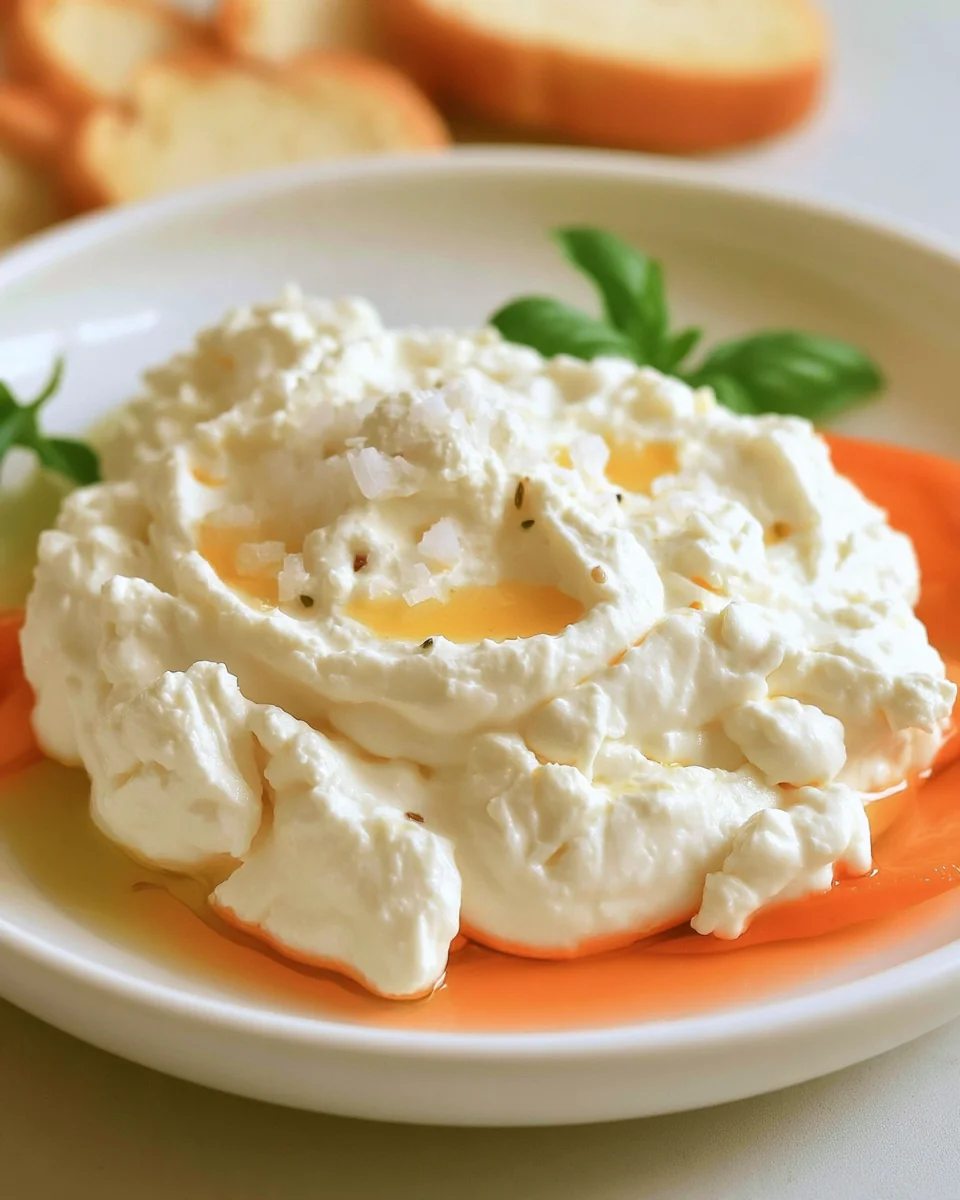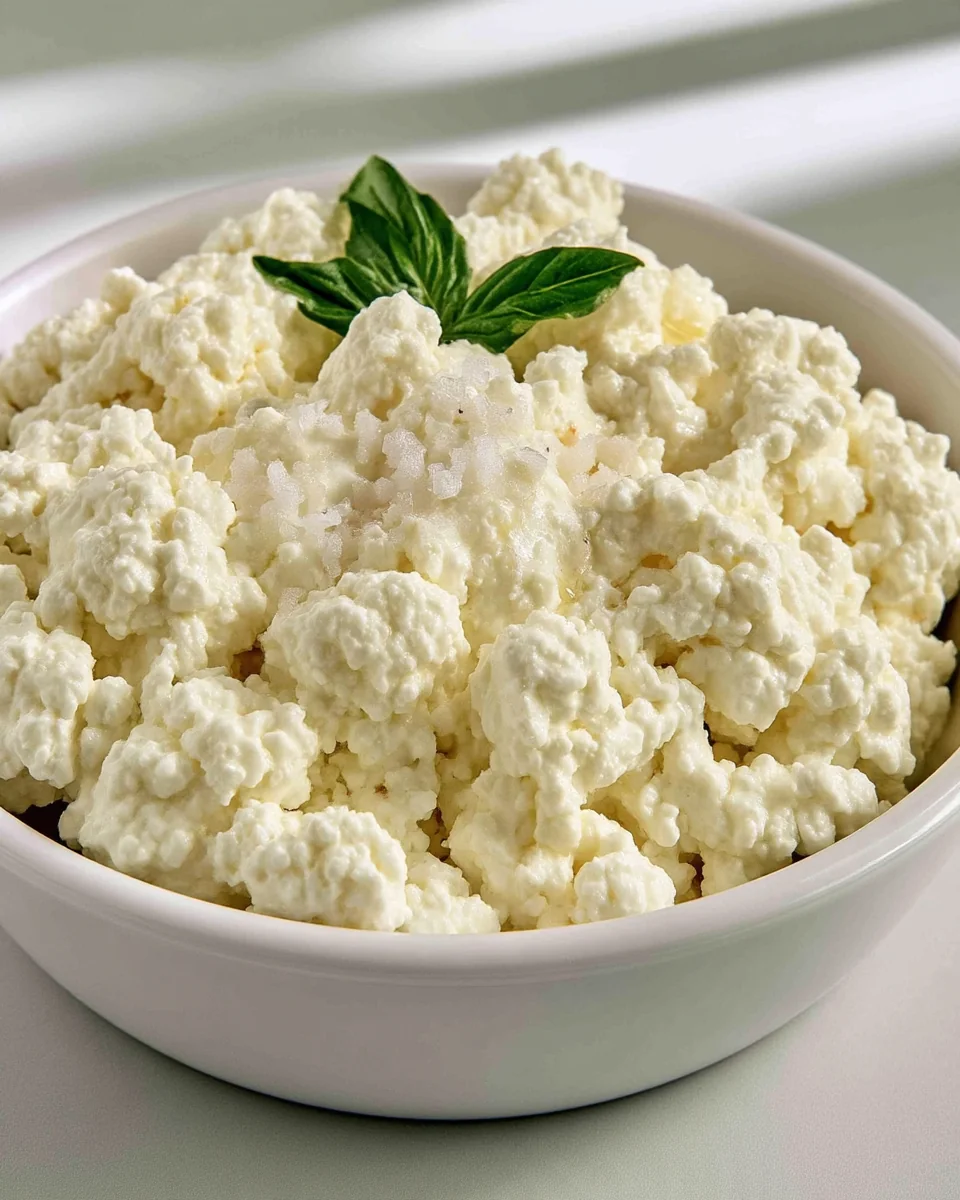
How To Make Easy Homemade Ricotta Cheese is a delightful twist on traditional ricotta. This cheese is rich and fluffy, with a surprisingly light texture that makes it perfect for dolloping over pasta, spread on bread, or mixing into desserts. The taste is creamy, with a slight tang from the vinegar that lends a fresh brightness. Imagine craving something special for lasagna or brunch — this ricotta can elevate any dish.
This method stands out because it uses heavy cream alongside whole milk, ensuring a creamy texture that you won't achieve by just using milk. Many homemade ricotta recipes struggle with graininess, but monitoring the temperature closely and stirring the mixture prevents scalding, promoting even curdling. By the time the curds form, you’ll have a light, fluffy finish, perfect for whatever dish you have in mind.
Why You'll Love This Recipe
- Creamier texture — Combining heavy whipping cream with whole milk avoids the grainy texture typical in homemade ricotta.
- Quick process — This ricotta takes just 10 minutes on the stove, plus a simple resting period.
- Reliable curdling — Stirring consistently while heating prevents scalding, ensuring even curd formation.
- Versatile uses — This ricotta can be used in both savory and sweet dishes, from pastas to desserts.
- Fresh and homemade — There’s nothing like the taste of fresh ricotta. You know exactly what goes into it.
Ingredients & Substitutions
Serves 8
For the Ricotta
- 4 ½ cups whole milk — provides the base for the ricotta; do not substitute with low-fat milk to maintain creaminess.
- 1 ½ cups heavy whipping cream — adds richness and creaminess; skim milk will make it too watery and less fluffy.
- 1 teaspoon salt — enhances the flavor of the cheese; leave it out for a mild-flavored ricotta suitable for desserts.
- 3 tablespoons distilled white vinegar — promotes curdling; if unavailable, lemon juice can work, but results may vary slightly in flavor.
How to Make How To Make Easy Homemade Ricotta Cheese
Step 1: Heat the Dairy Mixture
In a large pot, combine the whole milk, heavy whipping cream, and salt. Place it over medium-high heat and stir frequently with a wooden spoon. This step is crucial; you want to ensure the mixture does not stick to the pot or scald. Heat it until the temperature reaches 185°F (85°C) — you’ll see a few bubbles forming around the edges, signaling it's almost boiling.
Step 2: Add the Vinegar
Once the mixture reaches 185°F, stir in the vinegar gently to distribute it evenly. You should see the mixture immediately begin to curdle—this is where the magic happens! Turn off the heat and let it sit undisturbed for 3-4 minutes. Avoid stirring during this time; allow the curds to form properly.
Step 3: Strain the Curds
While the curds are resting, line a strainer with cheesecloth and place it over a large bowl. After the resting time, carefully pour the contents of the pot into the lined strainer. If you prefer, you can also ladle the curds into the strainer using a slotted spoon to minimize whey loss.
Step 4: Drain the Ricotta
Let the curds drain for about one hour. This is the time where the whey will separate from the curds, allowing for the desired texture. If you prefer a thicker ricotta, consider placing it in the refrigerator for an additional hour. You’ll notice the consistency changing as it drains.
Step 5: Store or Use Immediately
Once it’s thick enough for your liking, you can use the ricotta immediately or transfer it to an airtight container for storage. It will stay good in the refrigerator for up to 5 days, allowing you to enjoy fresh cheese throughout the week. Don’t forget to save the whey; it can be used in baking or smoothies!
How to Serve How To Make Easy Homemade Ricotta Cheese
Homemade ricotta cheese is versatile and delicious, making it a great addition to various dishes. When serving ricotta, consider the temperature, the way it’s plated, and what flavors enhance its creamy richness. Here are some excellent serving ideas and accompaniments that will elevate your homemade ricotta experience.
Serving Ideas
- Serve warm for best flavor — Ricotta is delicious right after it's prepared. Let it rest for about 1 hour to firm up before serving, which also enhances its flavor.
- Plate in a shallow bowl with a drizzle of olive oil — The bowl allows for easy access to scooping, while the oil adds richness and a beautiful presentation.
- Serve with fresh herbs sprinkled on top — A mix of basil, parsley, or chives can bring freshness and adds vibrant color; this works well for brunch or as a cheese board centerpiece.
- Use it in a savory application, like on toast — Spread the ricotta on toasted bread or crostini, which adds a satisfying crunch that contrasts the creamy texture. It’s perfect for appetizers or light lunches.
What to Serve Alongside
- Balsamic reduction — The sweetness of the reduction provides a tangy contrast to the creaminess of the ricotta.
- Roasted vegetables — Caramelized notes from roasting vegetables pair beautifully with the mild flavor of homemade ricotta.
- Fresh tomatoes — Juicy and acidic tomatoes create a balance with the rich, creamy texture of the cheese.
- Honey — Drizzle honey over the ricotta for a sweet touch that complements savory dishes and desserts alike.
- Crusty bread — The texture of crusty bread enhances the creaminess of the ricotta, making each bite satisfying.
 Pin it
Tips for the Best How To Make Easy Homemade Ricotta Cheese
Making homemade ricotta can be simple yet rewarding if you follow a few key tips. These pointers will ensure your ricotta comes out perfectly every time.
- Monitor the temperature closely — Heat the milk and cream to exactly 185°F (85°C). If it surpasses this temperature, it may scald, leading to a grainier texture.
- Stir the mixture continuously — Stirring prevents the milk from scalding against the pot's bottom, which is crucial for a fluffy ricotta. Aim for consistent motion until the temperature is reached.
- Let it rest undisturbed for 3-4 minutes after adding vinegar — This time allows for adequate curdling. You should see curds begin to separate from the whey, indicating you’re on the right track.
- Don’t rush the cooling process — After pouring curds into the strainer, let it sit for at least 1 hour. This helps the ricotta firm up and improves its texture for spreading or cooking.
- Check the texture before straining further — If you want a thicker ricotta, consider straining it in the refrigerator for an additional hour; this makes a significant difference in the final product.
- Store properly in an airtight container — To keep the ricotta fresh, use an airtight container and consume it within 5 days. Avoid leaving it at room temperature, as this can cause spoilage.
- Pay attention to the whey consistency when straining — If the whey looks too watery, it might mean your ricotta hasn’t strained long enough or was cooked too quickly.
How to Store How To Make Easy Homemade Ricotta Cheese
How to make easy homemade ricotta cheese keeps best in an airtight container in the refrigerator for up to 5 days. Ricotta is a dairy product, so it needs to be kept cold to avoid spoilage. Leaving it at room temperature can cause it to spoil quickly due to its dairy content.
Refrigerator
- Keeps for up to 5 days.
- Store in an airtight container to prevent drying out.
- Discard if you notice any off-smells or signs of mold.
Room Temperature
- Not recommended for longer than 2 hours.
- If left out during cooking, ensure it is wrapped well for short-term use.
- Can spoil quickly, especially in warm conditions.
Frequently Asked Questions
Here are some common questions about how to make easy homemade ricotta cheese and its preparation.
Can I make How To Make Easy Homemade Ricotta Cheese ahead of time?
Yes, you can prepare ricotta cheese ahead of time. It can be made up to 3 days in advance and stored in the refrigerator. This allows you more time to focus on other components of your meal.
Why did my How To Make Easy Homemade Ricotta Cheese turn out dense?
If your ricotta is dense, it might be due to overcooking or not using enough heavy cream. Make sure to monitor the temperature closely and remove it from heat as soon as the curds begin separating from the whey after adding the vinegar.
Can I halve the recipe for How To Make Easy Homemade Ricotta Cheese?
Yes, you can halve the recipe easily. Just use 2 ¼ cups of whole milk, ¾ cup of heavy cream, ½ teaspoon of salt, and 1 ½ tablespoons of distilled white vinegar. Follow the same cooking instructions, and the process will remain the same.
Does How To Make Easy Homemade Ricotta Cheese freeze well?
Ricotta can be frozen, but it will change the texture. If you plan to freeze it, store it in an airtight container for up to 2 months. After thawing, it may be best used in cooked dishes rather than eaten fresh.
What pan can I use instead of a large pot for How To Make Easy Homemade Ricotta Cheese?
You can use an enameled cast-iron pot or a wide, heavy-bottomed saucepot. The key is to ensure it holds heat evenly and has enough volume to allow for the milk and cream to expand as they heat without boiling over.
Final Thoughts
Homemade ricotta cheese is rich and fluffy, making it a wonderful addition to many dishes. You can easily customize it by adding herbs or spices for extra flavor. Don't hesitate to try this simple recipe; you'll appreciate the freshness and creaminess you can achieve at home!