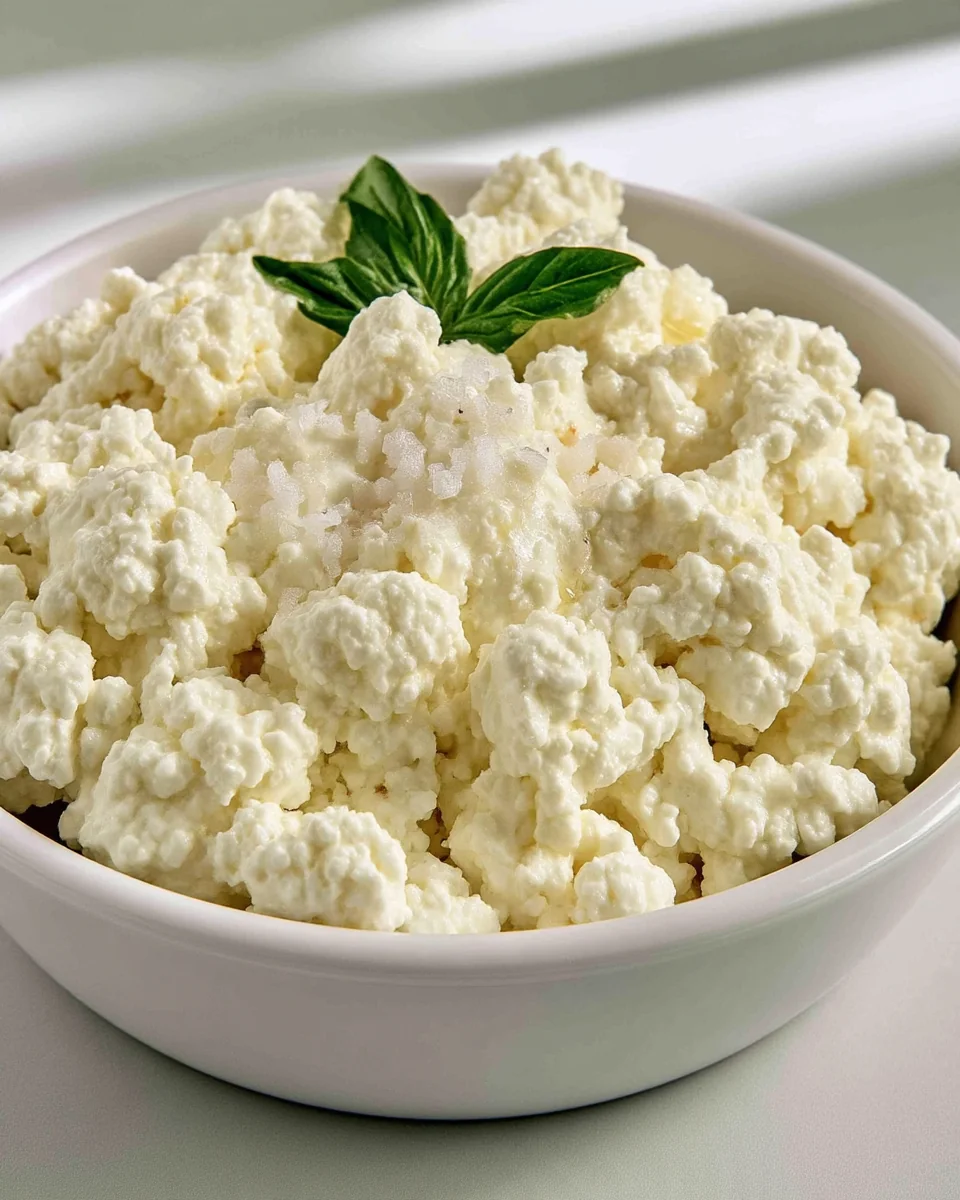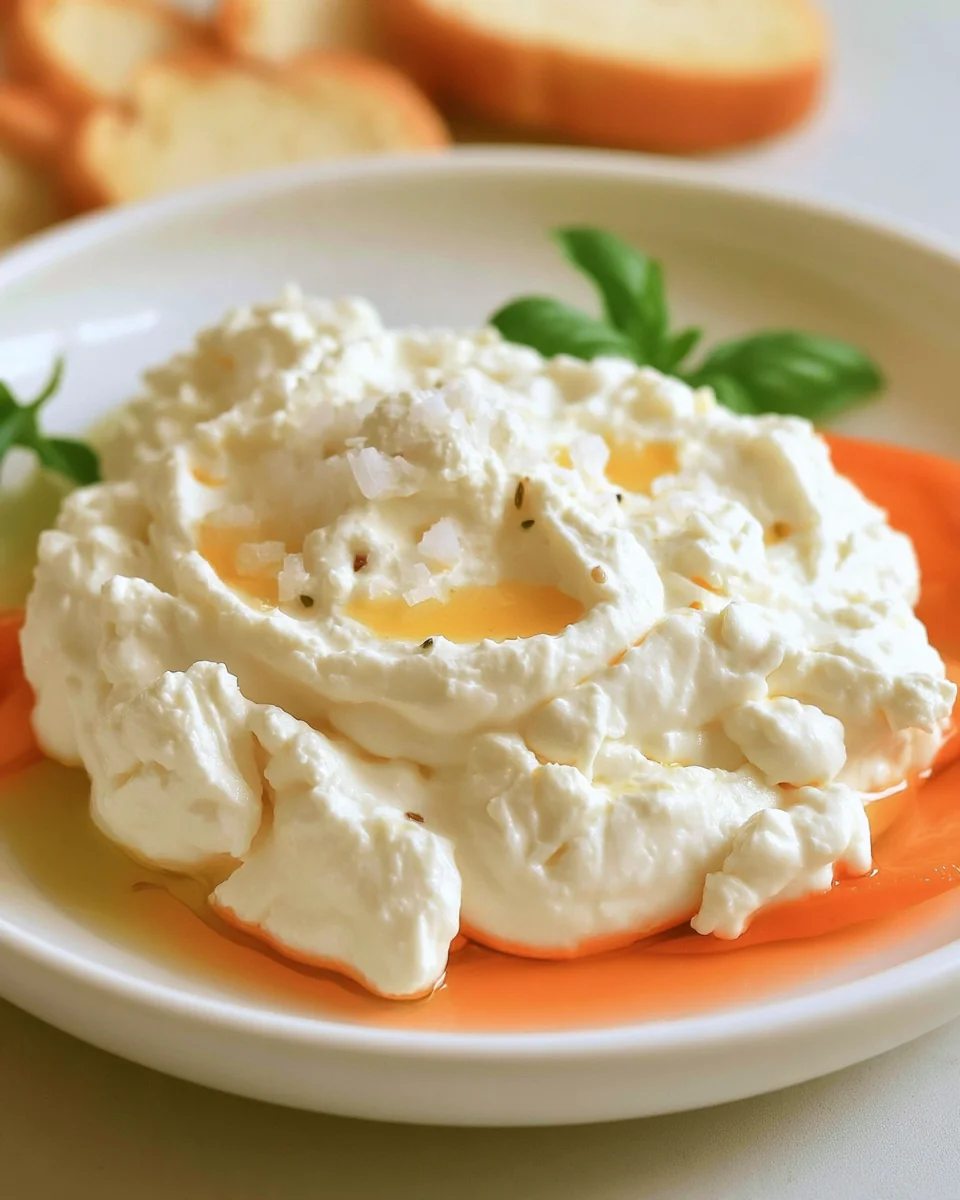
Homemade Ricotta Cheese (4 ingredients) is a creamy delight that adds character to any dish it touches. With its smooth texture and subtle richness, this cheese makes a perfect topping for pasta, spreads for bread, or even a key ingredient in desserts. When you make it yourself, you gain complete control over flavor and freshness, offering that artisan touch to your meals.
This version of ricotta takes just 4 ingredients and a careful heating process to ensure the curds form properly. By using a combination of whole milk and heavy cream, you avoid that grainy texture often found in store-bought varieties. The key is to heat the mixture gently until just boiling, providing a smooth result that makes for an excellent homemade ricotta cheese.
Why You'll Love This Recipe
- Freshness you can taste — Making ricotta at home ensures it’s as fresh as possible, delivering superior flavor compared to store-bought cheese.
- Customizable creaminess — The blend of whole milk and heavy cream gives you the option to adjust richness by using less cream if desired, but sticking to this ratio creates the dreamiest texture.
- No special tools needed — All you need is a heavy-bottomed saucepan and a fine mesh strainer, keeping everything straightforward without the need for cheese molds or special equipment.
- Quick to prepare — With just 5 minutes of prep time, you can achieve a delicious result, thanks to the simplicity of the ingredients and process.
- Short waiting time — The entire process, from cooking to allowing the curds to rest, takes less than 90 minutes, making it a great same-day project.
Ingredients & Substitutions
Serves 4
For the Ricotta
- 4 cups whole milk — this forms the bulk of the cheese; avoid low-fat milk as it yields a drier texture.
- ½ cup heavy whipping cream — adds richness and creaminess; you can replace it with whole milk for a lighter version, but the texture will be less creamy.
- ¼ teaspoon salt — enhances flavor; feel free to adjust slightly but don’t skip this for taste.
- 3 tablespoons white vinegar — helps curdling; lemon juice can work as an alternative, but ensure the mixture is still warm when added, or the curds may not form properly.
How to Make Homemade Ricotta Cheese (4 ingredients)
Step 1: Heat the Milk and Cream
In a heavy-bottomed saucepan, combine the whole milk, heavy whipping cream, and salt. Heat this mixture over medium heat, stirring gently until it comes to a boil. You’ll know it’s ready when small bubbles begin to form around the edges, but avoid boiling rapidly.
Step 2: Add the Acid
Once boiling, remove the saucepan from the heat and add the white vinegar. Stir the mixture gently for about 10 seconds to combine. You should see curds starting to form almost immediately.
Step 3: Let It Rest
Cover the saucepan with a lid or a kitchen towel and let the mixture sit undisturbed for 30 minutes. This resting period is crucial as it allows the curds to separate properly from the whey, giving you the desired texture.
Step 4: Strain the Curds
Place a fine mesh strainer or colander over a large bowl and line it with two layers of damp cheesecloth. Carefully spoon the curds into the strainer without agitating them too much. Let the ricotta drain for 30-45 minutes; the longer you drain, the firmer it will be.
Step 5: Serve or Store
After draining, gently unwrap the cheesecloth and transfer the ricotta into an airtight container. If you prefer a creamier consistency, serve immediately or mix in a touch of cream. Store it in the refrigerator and consume within 5 days for the best flavor and texture.
How to Serve Homemade Ricotta Cheese (4 ingredients)
Homemade ricotta cheese is versatile and can elevate many dishes. Whether you're dolloping it on pasta or spreading it on toast, how you serve it can enhance both presentation and taste. Here are essential serving ideas to make the most out of your fresh ricotta.
Serving Ideas
- Serve warm — Ricotta is best enjoyed at room temperature or slightly warm. Let it sit for about 30 minutes after draining to achieve the best texture.
- Use a rustic board — Present the ricotta on a wooden cutting board with some toasted bread, olives, and a drizzle of olive oil. This adds a charming touch and allows everyone to scoop their own.
- Accompany with herbs — Top the ricotta with fresh herbs like basil or chives just before serving. This adds a fragrant touch which enhances the creamy flavor of the cheese.
- Pair with seasonal fruits — Serve alongside ripe peaches or figs for a summer brunch; their sweetness beautifully balances the creaminess of the ricotta.
What to Serve Alongside
- Balsamic glaze — The sweet acidity cuts through the richness, elevating the creamy texture of the ricotta.
- Crusty bread — The texture contrast complements the soft ricotta and provides a satisfying crunch.
- Marinated vegetables — Their bright flavors add a zesty note that plays well with the mild taste of the cheese.
- Honey — Drizzled over the ricotta, honey introduces a delightful sweetness that pairs perfectly with its creamy body.
- Olives — The saltiness of the olives contrasts with the rich, creamy cheese, creating a delightful balance.
 Pin it
Tips for the Best Homemade Ricotta Cheese (4 ingredients)
Mastering homemade ricotta can take a bit of practice, but these tips will help you get it right.
- Monitor the heat closely — Heat the milk and cream until just boiling—this is crucial to prevent scalding, which can make the ricotta grainy.
- Add the vinegar right away — Mixing in the vinegar immediately after removing from heat helps the curds separate properly. Leave it undisturbed for 30 minutes to ensure curds form well.
- Check for curd separation — After resting, look for curds visibly separating from the whey. This indicates it’s ready to drain; if you don’t see this after 30 minutes, let it rest an additional 10 minutes.
- Use damp cheesecloth — Line your strainer with 2 layers of damp cheesecloth to prevent the ricotta from sticking. This keeps it creamy instead of clumpy.
- Drain for the right time — Allow draining for 30-45 minutes. Undrained ricotta will be too wet, negatively affecting your recipes.
- Don’t rush serving — Let the ricotta cool for about 30 minutes to reach the ideal texture and temperature. Rushing can result in a flavor that feels flat.
- Storage must be airtight — For the best flavor, store ricotta in an airtight container in the refrigerator for up to 5 days. This prevents odors from mingling and keeps it fresh.
How to Store Homemade Ricotta Cheese (4 ingredients)
Homemade ricotta keeps best in the refrigerator, where it stays fresh for up to 5 days. Since it contains dairy, proper storage is essential to maintain its creamy texture and prevent spoilage.
Refrigerator
- Store in an airtight container to avoid contamination and drying out.
- Homemade ricotta remains good for about 5 days when properly stored.
- If you notice a sour smell or any mold forming, it’s time to discard it.
Freezing Homemade Ricotta Cheese (4 ingredients)
Freezing homemade ricotta is not recommended, as it alters the texture, resulting in a grainy consistency once thawed.
Room Temperature
Homemade ricotta should not be stored at room temperature due to its dairy content, which can spoil. Always keep it in the refrigerator.
Frequently Asked Questions
Here are some common questions about homemade ricotta cheese that cooks often have.
Can I make Homemade Ricotta Cheese (4 ingredients) ahead of time?
Yes, you can make homemade ricotta cheese a day in advance. Store it in the refrigerator for optimal freshness and flavor continuity.
Why did my Homemade Ricotta Cheese turn out dense?
If your ricotta is dense, it might be because the milk and cream were heated too quickly or the vinegar was added too late. Heating slowly until just boiling allows for better curd formation.
Can I halve the recipe for Homemade Ricotta Cheese?
Absolutely. You can halve the ingredient amounts to make 2 servings. Just remember to adjust the cooking time minimally as the process remains the same.
Does Homemade Ricotta Cheese freeze well?
No, homemade ricotta does not freeze well. Freezing changes its structure, leading to a crumblier texture when thawed, which is not ideal for recipes.
What pan can I use instead of a heavy-bottomed saucepan?
If you don't have a heavy-bottomed saucepan, you can use a non-stick pot; just keep a close eye on the temperature to prevent the milk from scorching.
Final Thoughts
Making homemade ricotta cheese is a straightforward process that rewards you with a creamy texture perfect for numerous dishes. It’s versatile enough to enhance pasta, salads, or even stand on its own as a delicious spread. Feel free to experiment with adding herbs or spices to suit your tastes! Try it today, and enjoy a fresh batch of rich, creamy ricotta right from your kitchen.